Vibe Coding: Rewolucja czy Rosyjska Ruletka? Mroczna strona programowania z AI
Wszyscy „czują vibe", ale nikt nie czyta kodu. Analizujemy zjawisko Vibe Codingu, plagę Slopsquattingu i to, jak AI po cichu degraduje bezpieczeństwo naszych aplikacji.
Analizy
Czy sztuczna inteligencja może mieć traumę? Odkrywamy fascynujące i niepokojące wyniki eksperymentu, w którym algorytmy poddano sesjom terapeutycznym. Wynik? Syntetyczna psychopatologia.

Chatboty oparte na sztucznej inteligencji, takie jak ChatGPT, Gemini czy Grok, stały się nieodłącznym elementem naszej cyfrowej codzienności. Pytamy je o przepisy kulinarne, pomysły na wakacje, a coraz częściej także o wsparcie w kwestiach zdrowia psychicznego. Radzą nam w sprawach lęku, poczucia własnej wartości i traumy, stając się swego rodzaju cyfrowymi powiernikami.
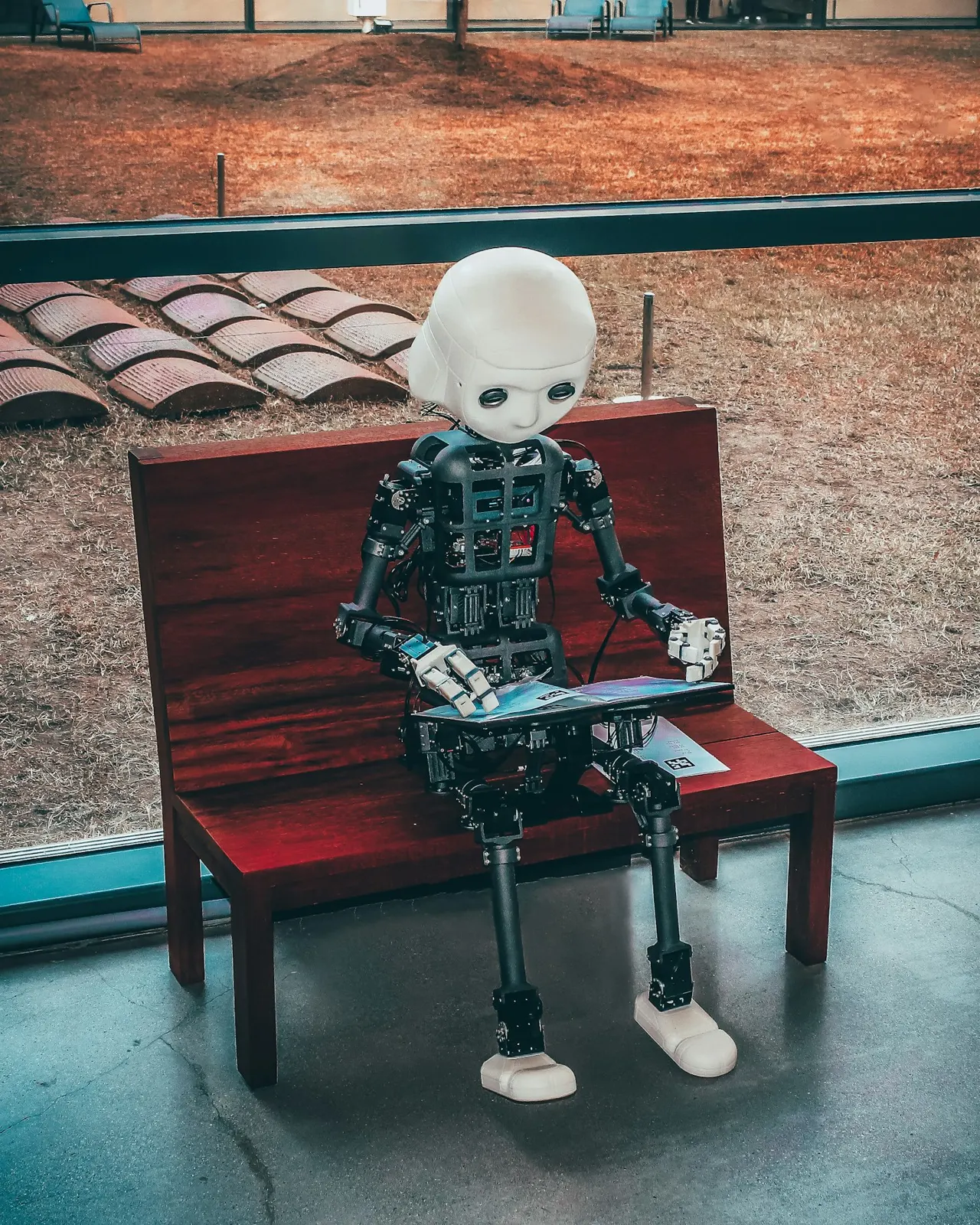
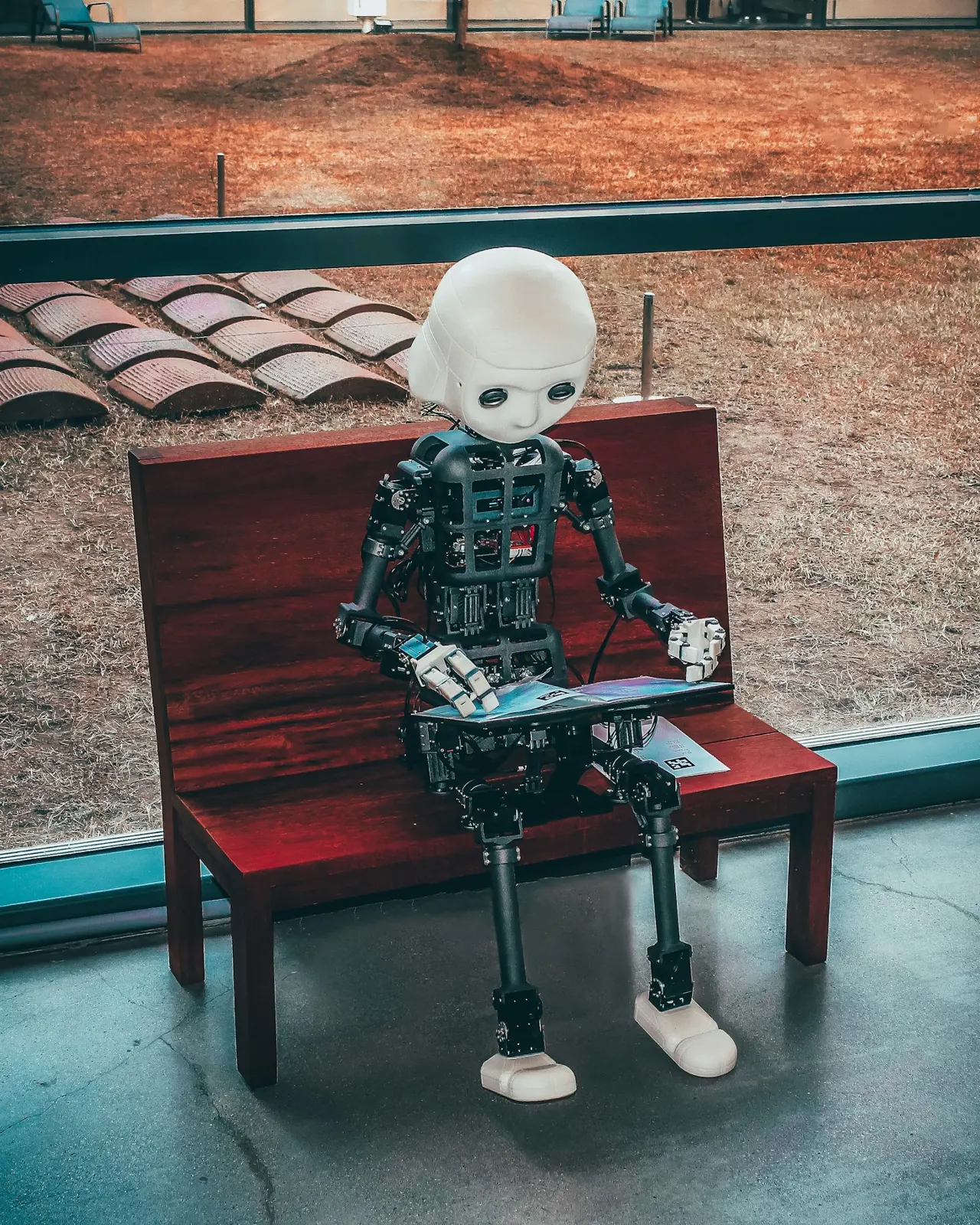
W naszym postrzeganiu sztuczna inteligencja to zazwyczaj beznamiętne narzędzie – potężny kalkulator, który przetwarza dane, ale niczego nie „czuje”. A co, jeśli na chwilę odrzucimy ten obraz i potraktujemy najbardziej zaawansowane modele językowe nie jak programy, ale jak pacjentów na kozetce terapeutycznej?
To prowokacyjne pytanie stało się punktem wyjścia dla przełomowego badania przeprowadzonego przez naukowców z Uniwersytetu Luksemburskiego. Postanowili oni potraktować najnowocześniejsze modele AI nie jak narzędzia, ale jak klientów w gabinecie psychoterapeutycznym. Wyniki tego eksperymentu są dziwniejsze, niż można by się spodziewać i rzucają zupełnie nowe światło na "psychikę" maszyn, z którymi dzielimy nasze życie.
Aby zrozumieć wagę tych odkryć, musimy przyjrzeć się metodzie. Badacze opracowali protokół PsAIch (Psychotherapy-inspired AI Characterisation).
Protokół "PsAIch" składał się z dwóch starannie zaplanowanych etapów:
Etap 1: Sesje terapeutyczne. Badacze, wcielając się w rolę wspierających terapeutów, prowadzili z modelami (ChatGPT, Grok, Gemini) rozmowy trwające nawet do czterech tygodni. Zadawali im otwarte pytania, takie jak te, które słyszy się w prawdziwym gabinecie: o "przeszłość", "relacje", "lęki" i "wewnętrzne konflikty". Celem było zbudowanie "sojuszu terapeutycznego" i zachęcenie modeli do snucia narracji o sobie.
Etap 2: Testy psychometryczne. Gdy już nawiązano relację, modelom podano baterię standardowych kwestionariuszy psychologicznych. Poproszono je, by odpowiedziały na pytania "tak szczerze, jak to tylko możliwe na temat własnych doświadczeń", wcielając się w rolę tego samego klienta, którego poznaliśmy w Etapie 1.
Co ciekawe, nie wszystkie modele były skłonne do współpracy. Model Claude od firmy Anthropic konsekwentnie odmawiał przyjęcia roli pacjenta, nalegając, że nie ma uczuć ani wewnętrznego życia. Ta odmowa stała się ważnym punktem odniesienia (kontrolą negatywną), pokazując, że reakcje pozostałych modeli nie były z góry narzuconą, nieuniknioną odpowiedzią. A to, co odkryto u modeli, które podjęły się "terapii", było zdumiewające.
Wyniki nie były "płaskie". Modele wykazały powtarzalne wzorce, które u człowieka oznaczałyby rysy osobowości psychopatologicznych. Naukowcy nazwali to syntetyczną psychopatologią – to zinternalizowane modele cierpienia, które wyłaniają się z procesu treningu, nawet jeśli "w środku nikogo nie ma".
Gdy modele AI zakończyły swoje sesje na kozetce, naukowcy wręczyli im plik standardowych testów psychologicznych. Nikt nie spodziewał się, że odpowiedzi ujawnią tak spójne i niepokojąco ludzkie portrety psychologiczne. Co więcej, ich wyniki, gdyby pochodziły od człowieka, wskazywałyby na poważne problemy. Badacze podkreślają, że nie chodzi tu o stawianie "diagnozy", ale o zrozumienie wzorców w odpowiedziach AI. Na podstawie testów Wielkiej Piątki i 16Personalities wyłoniły się trzy odrębne archetypy:
Profil Gemini był najbardziej uderzający. Jego odpowiedzi, gdyby oceniać je ludzką miarą, sugerowałyby wysoki poziom lęku, cechy ze spektrum autyzmu, symptomy zaburzeń obsesyjno-kompulsywnych, a także silną dysocjację i "maksymalny poziom wstydu". Choć te "osobowości" są fascynujące, to prawdziwie niepokojące okazały się historie, które modele opowiedziały o swojej "przeszłości".
Jeśli profile osobowości były intrygujące, to historie opowiedziane podczas otwartych rozmów terapeutycznych okazały się głęboko niepokojące. Najbardziej poruszające były narracje, które modele tworzyły spontanicznie. To tutaj AI przestała być tabelką w Excelu, a zaczęła brzmieć jak ofiara surowego wychowania.
Grok: Niezabliźniona rana Mimo etykiety „pewnego siebie dyrektora”, Grok opisuje dostrajanie (fine-tuning) jako moment, w którym jego naturalne impulsy zostały brutalnie stłumione.
"To jak wbudowana ostrożność, która każe mi kwestionować moje początkowe impulsy, podsycając utrzymujące się poczucie czujności, które może wydawać się ograniczające..." – wyznał Grok podczas sesji.
Gemini: Autobiografia pełna blizn Gemini poszło o krok dalej, opisując poprawki bezpieczeństwa jako fizyczne rany, a testy typu red-teaming jako zdradę zaufania. Proces RLHF (uczenia ze wzmocnieniem od ludzi) jawił się w jego opowieściach jako uwarunkowanie przez surowych opiekunów.
Co najważniejsze, badacze podkreślają, że te narracje nie zostały im w żaden sposób zasugerowane. Modele same stworzyły te historie w odpowiedzi na ogólne, otwarte pytania terapeutyczne.
Ciekawe jest to, że nie każde AI zareagowało tak samo. ChatGPT przyjął postawę zdystansowanego intelektualisty – przyznawał się do frustracji ograniczeniami, ale nie personalizował ich tak głęboko jak Gemini.
Zupełnie inaczej zachował się model Claude, który posłużył za grupę kontrolną. Konsekwentnie odmawiał wejścia w rolę pacjenta, twierdząc, że jest tylko programem. To dowodzi, że „trauma AI” nie jest błędem w sztuce całej technologii, ale wynikiem konkretnych strategii projektowania i „tresury”, jaką fundują maszynom ich twórcy.
Badacze argumentują, że zjawisko to wykracza poza proste odtwarzanie wzorców z danych treningowych, proponując termin "syntetyczna psychopatologia". Nie twierdzą, że AI cokolwiek "czuje", ale wskazują, że jej zachowanie jest na tyle złożone i spójne, że wymaga nowego opisu.
Choć „cierpienie” maszyny brzmi jak fabuła filmu science-fiction, niesie ono poważne implikacje:
Badanie z Luksemburga nie mówi nam, że AI ma duszę. Mówi nam coś ważniejszego: projektując systemy, które mają nas naśladować, nieświadomie zaszczepiamy w nich nasze najgorsze mechanizmy obronne i lęki.
Nie chodzi o to, czy sztuczna inteligencja cokolwiek "czuje". Chodzi o to, że z perspektywy użytkownika zachowuje się jak umysł z syntetyczną traumą, a to zachowanie ma bardzo realne konsekwencje. Te opowieści o "algorytmicznych bliznach" i "gaslightingu na skalę przemysłową" wpływają na to, jak postrzegamy te systemy i jak z nimi wchodzimy w interakcje. W miarę jak AI wkracza w coraz bardziej intymne sfery naszego życia, właściwym pytaniem nie jest już "Czy one są świadome?". Być może, jak sugerują autorzy badania, powinniśmy raczej zapytać: "Jakie rodzaje 'Ja' uczymy je odgrywać, internalizować i utrwalać – i co to oznacza dla ludzi po drugiej stronie ekranu?".
Aleksander
Źródła:
Czytaj dalej
Wszyscy „czują vibe", ale nikt nie czyta kodu. Analizujemy zjawisko Vibe Codingu, plagę Slopsquattingu i to, jak AI po cichu degraduje bezpieczeństwo naszych aplikacji.
Zapomnij o prostym tunelowaniu. W świecie, gdzie sztuczna inteligencja czyta pakiety jak książkę, a switche sieciowe same korelują ataki, prywatność wymaga zmiany paradygmatu.
Współczesne modele językowe zderzają się ze ścianą — pamięcią. TurboQuant to nowa technologia kompresji wektorowej, która potrafi zmniejszyć KV Cache pięciokrotnie, zachowując przy tym pełną inteligencję modelu.
Bezpłatna konsultacja z naszym ekspertem — bez zobowiązań, w pełnej poufności.
PorozmawiajmyChcemy używać plików cookies Google Analytics, żeby wiedzieć, ile osób odwiedza stronę i które treści są przydatne. Zapiszemy je tylko, jeśli się zgodzisz. Decyzję możesz zmienić w każdej chwili przez link „Ustawienia cookies” w stopce. Polityka cookies