Akira Ransomware Has Raked In $244 Million: US and European Agencies Warn of New Tactics
Akira ransomware has extorted over $244M. A joint US, French, German and Dutch advisory reveals new targets (Nutanix) and Cisco, Veeam, VMware flaws.
Ransomware
BlackCat 3.0 ransomware is hitting companies worldwide with advanced encryption and double extortion. Learn how it works and how to stay protected.
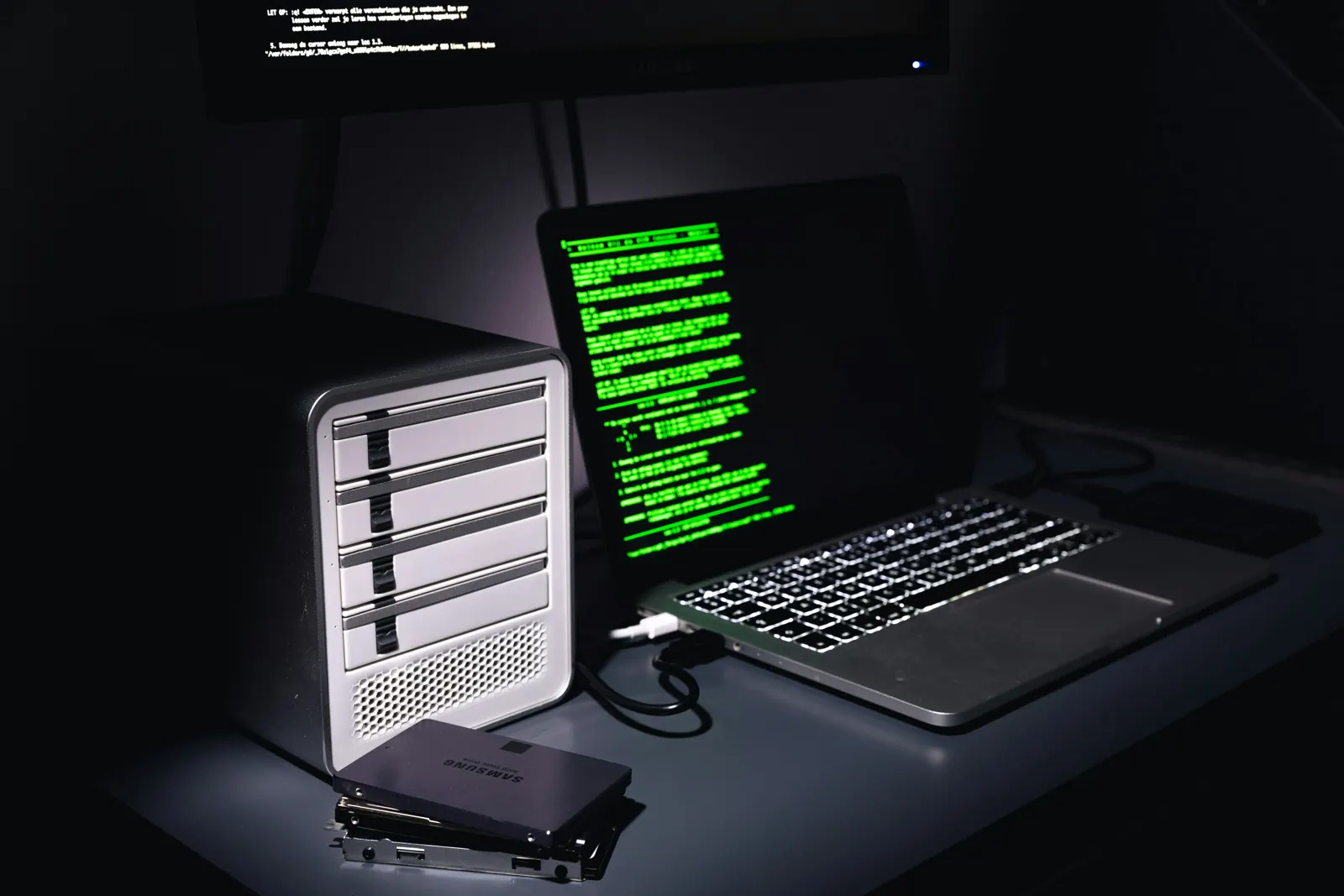
Picture this: you walk into the office on a Monday morning and find every file your company owns encrypted, with a ransom demand on the screen. Sounds like a scene from a sci-fi movie? Unfortunately, it's a reality that a growing number of organizations around the world are facing. A new ransomware variant known as BlackCat 3.0 has become a real digital nightmare. In this post, we look at what this new player on the cybercrime scene is, how it works, and what you can do to protect your organization. Grab a coffee: this will be a long conversation about some very short bits.
BlackCat, also known as ALPHV, is a ransomware strain that has been evolving since 2021 faster than the latest TikTok trend. The newest version, labeled 3.0, was spotted in October 2025 and immediately alarmed cybersecurity professionals. Why? Because it is smarter, faster and more ruthless than its predecessors. According to reports from Check Point, BlackCat 3.0 uses advanced encryption based on the ChaCha20 and RSA-4096 algorithms, which makes it almost impossible to crack without the decryption key.
Here's what we know about the recent attacks:
Interestingly, the developers of BlackCat 3.0 even offer "technical support" to their victims, including instructions on how to pay the ransom in Bitcoin. Well, at least they're polite about something, right?
Why should you care? Because BlackCat 3.0 isn't just a problem for the big players. Small and midsize businesses often lack advanced security systems, and they are just as exposed. According to Cybersecurity Ventures, global ransomware losses in 2025 could exceed $265 billion. That's more than the GDP of some countries!
Worse still, BlackCat 3.0 is driving a new trend in cybercrime: attack automation. It uses Python scripts that scan networks for weak spots, so attackers can operate at massive scale. Here's an example of a simple script that could be used to scan for open ports (for educational purposes only, of course!):
import socket
import threading

def scan_port(ip, port):
    sock = socket.socket(socket.AF_INET, socket.SOCK_STREAM)
    sock.settimeout(1)
    result = sock.connect_ex((ip, port))
    if result == 0:
        print(f"Port {port} is open")
    sock.close()

target = "192.168.1.1"
for port in range(1, 1000):
    thread = threading.Thread(target=scan_port, args=(target, port))
    thread.start()
A script like this is only the beginning. BlackCat 3.0 goes a step further and automates both the scanning and the payload deployment. So what can you do to protect your organization? Here are a few practical steps:
BlackCat 3.0 is a reminder that in cybersecurity, standing still isn't an option. Cybercriminals never rest, and their tools keep getting more sophisticated. Don't wait for your company to become the next headline. Act now. Regular updates, solid backups and security awareness training are your shield in this digital war. And if you have a minute, check that your IT department hasn't left the door open for BlackCat.
Read more
Akira ransomware has extorted over $244M. A joint US, French, German and Dutch advisory reveals new targets (Nutanix) and Cisco, Veeam, VMware flaws.
Japanese brewer Asahi was hit by ransomware that halted production at key plants. What happened, why it matters for supply chains, and how to defend.
Ransomware hits Trans-Europe Express, one of Europe's largest logistics operators, halting operations network-wide and threatening supply chains.
A free consultation with one of our experts — no obligation, in full confidence.
Let's talkWe'd like to use Google Analytics cookies to see how many people visit the site and which content is useful. We'll only set them if you agree. You can change your decision at any time via the “Cookie settings” link in the footer. Cookies Policy