Poland Will Publicly Name and Shame Companies with Poor Cybersecurity, Says Minister Gawkowski
After the MyDr and Medyc data breaches, Poland's government will publicly name companies that fail to secure data. What it means for boards.
Poland
Over 600,000 customers and about 6 TB of invoices exposed. The facts on the Fakturownia breach and how to limit the damage, including notifying UODO.
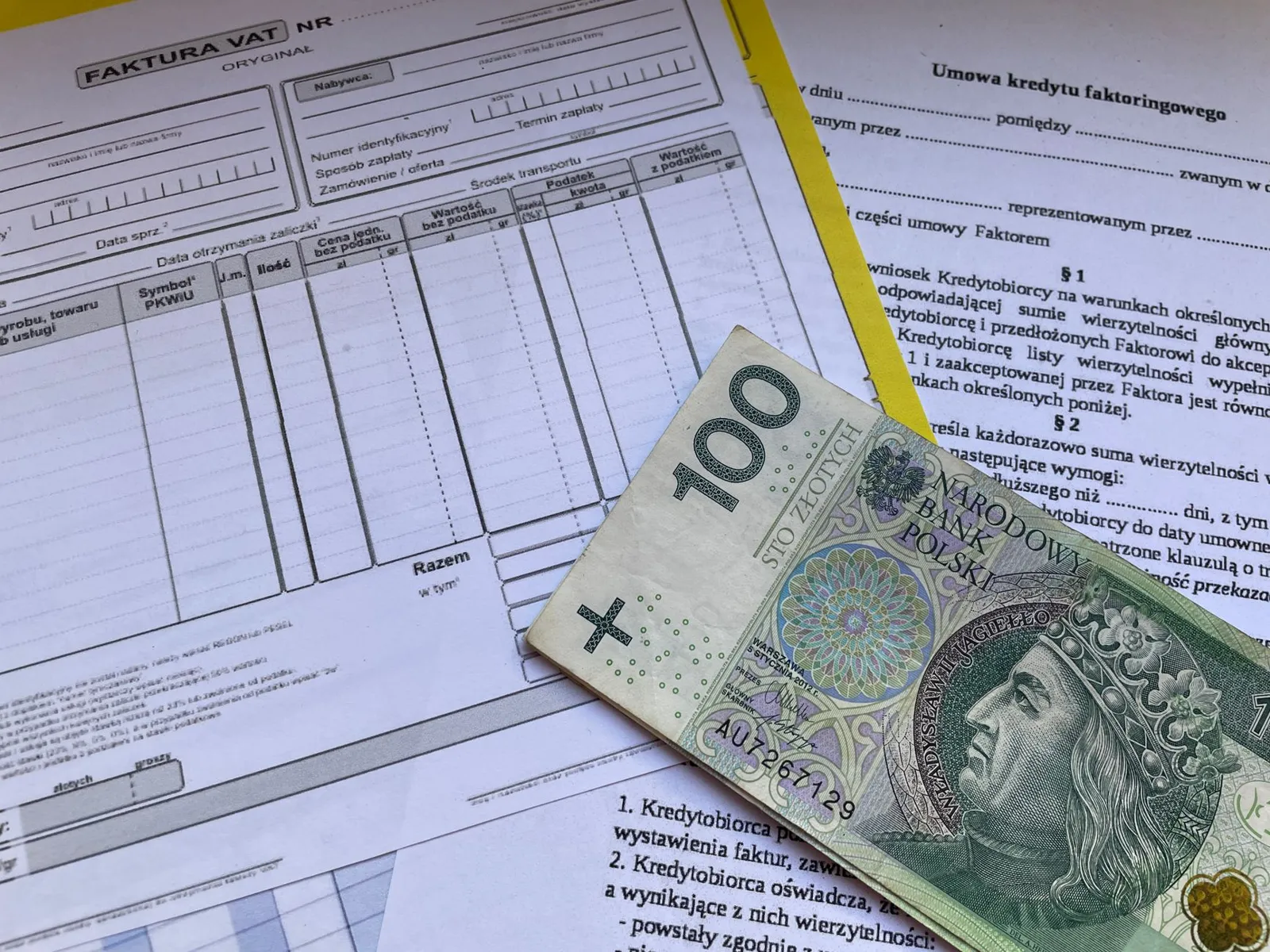
The Fakturownia data breach is one of the largest security incidents on the Polish internet this year. The invoicing platform, which serves more than 600,000 customers, has confirmed that an attacker gained access to its servers. A week has passed. Here is what we know so far and what your company should do now.
According to the company, as reported by CyberDefence24, the intrusion lasted from September 27 (around 3:20 a.m.) to September 28 (around 5:45 p.m.). The attacker found a vulnerability in the invoice templates and then a flaw in the library that generates PDF files. That gave them the keys the platform uses to sign user sessions. The breach came to light on September 29, when the attacker, who goes by “Fingerprint,” contacted the media directly.
Based on statements from the company and press reports, the following data is at risk:
Data from the National e-Invoicing System (KSeF) was not exposed, as confirmed by Poland’s Ministry of Finance, and neither was payment card data. CERT Polska and the Central Cybercrime Bureau (CBZC) are investigating. The breach also affected VosFactures, a French service that ran on Fakturownia’s technical infrastructure.
This incident is a textbook example of supply chain risk: your company’s data was leaked even though no one attacked your own systems. NIS2 and the new National Cybersecurity System Act (KSC) require organizations to assess the security of their service providers. In practice, that means knowing who you entrust your data to, having a data processing agreement in place with them, and having a plan for the day they fall victim to an attack.
We can help you assess the breach and prepare your notification to UODO. Contact us.
Sources: CyberDefence24, dobreprogramy, RMF24, dlahandlu.pl
Read more
After the MyDr and Medyc data breaches, Poland's government will publicly name companies that fail to secure data. What it means for boards.
Attackers hijacked a third-party ASOS messaging platform and pushed a threat to app users. Names and contact details may be exposed. What's the lesson?
Attackers spent 10 days pulling names, addresses and CPR numbers via a partner firm's legitimate access. What it teaches about third-party access risk.
A free consultation with one of our experts — no obligation, in full confidence.
Let's talkWe'd like to use Google Analytics cookies to see how many people visit the site and which content is useful. We'll only set them if you agree. You can change your decision at any time via the “Cookie settings” link in the footer. Cookies Policy