
Cloudflare Outage of November 18, 2025: The Internet Goes Down Again a Month After AWS
On November 18, 2025, a Cloudflare outage took down X, ChatGPT and Zoom just a month after AWS. Here's what happened and why it matters.
Incidents
A DNS failure in AWS US-EAST-1 on October 20, 2025 took down Slack, Zoom, Fortnite, Coinbase and banks worldwide. Here's what broke and why.
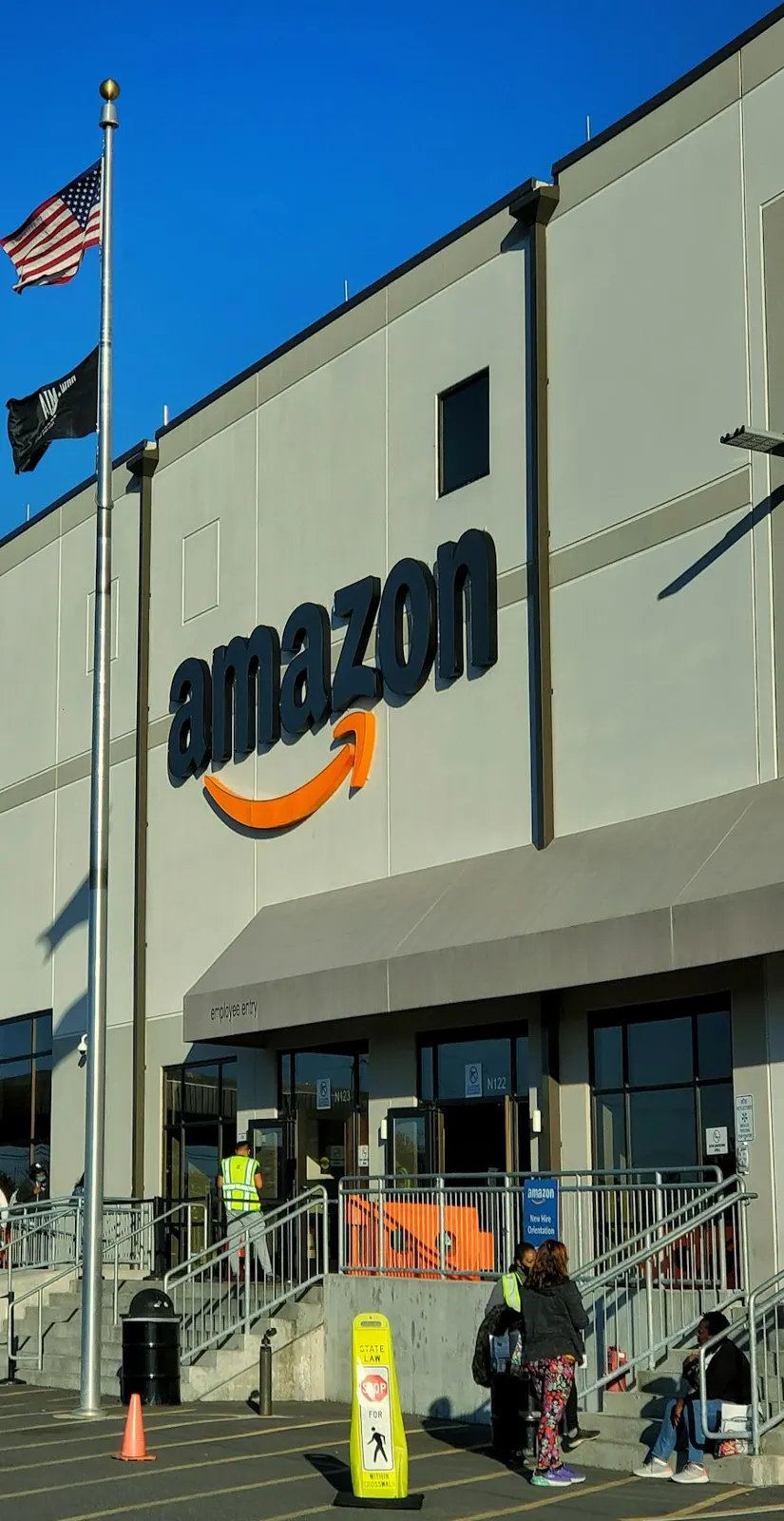
If you tried to join a Zoom meeting, send a Slack message or play Fortnite on the morning of Monday, October 20, and got an error screen instead, your home internet wasn't to blame. The problem was Amazon Web Services (AWS), the cloud backbone that runs a huge share of the global internet. On Monday, that backbone failed.
The official AWS Health Dashboard confirmed an "Operational issue" affecting multiple services in the N. Virginia region, showing up as "increased error rates and latencies."
As with many global internet outages, it all started in one place: the US-EAST-1 region in Northern Virginia. It's one of the largest and oldest hubs in the AWS network, which also makes it, well, a regular source of trouble.
Amazon officially confirmed that it was investigating "Increased Error Rates and Latencies" in the region, with the first status dashboard post appearing at 12:11 AM PDT. In cloud speak, that's a diplomatic way of saying "something has gone very, very wrong." The domino effect was immediate, and the failures quickly spread around the world.
Before we get to the list of apps that went dark, it's worth looking at what broke under the hood. The US-EAST-1 outage wasn't a single-service problem. It was a cascading failure. At its peak, the AWS Health Dashboard showed 65 services directly affected.
The disruption hit some of the most critical building blocks of the cloud, including:
The outage was so severe that customers "may be unable to create or update Support Cases."
For everyday users, Downdetector lit up. Reports spiked at the same time for services in almost every category. The outage showed how much of our lives, from work to entertainment, we have handed over to a single company.
The list of casualties reads like a who's who of the internet:
According to AWS's official updates, the root of the problem was a DNS failure.
At 2:01 AM PDT, Amazon identified a "potential root cause." The problem was "related to DNS resolution of the DynamoDB API endpoint in US-EAST-1."
Put simply, DNS is the internet's phone book. It translates human-readable addresses (such as google.com) into the IP addresses that machines use. When it fails, services can't "find" each other. Servers try to call one another, but nobody picks up. And because DynamoDB is a foundational database for many other AWS services, its failure took a lot of other services down with it.
Recovery came in several stages:
As usual with an outage this large, though, not everything was back to normal right away. AWS acknowledged that some services, such as CloudTrail and Lambda, were still "processing a backlog of events." Even after the DNS fix, launches of new EC2 instances in US-EAST-1 continued to see "increased error rates."
As late as 4:48 AM PDT (1:48 p.m. Polish time), Amazon was still working to fully restore EC2 launches and recommended that customers configure their Auto Scaling groups to use multiple Availability Zones. It also confirmed that the Lambda/SQS delays were affecting, among other things, "Organization policy updates."
At 5:10 AM PDT (2:10 p.m. Polish time), AWS confirmed that Lambda had recovered SQS queue processing but was still working on "processing the backlog of SQS messages in Lambda queues."
AWS also advised customers still having trouble with DynamoDB to "flush their DNS caches."
The October 20, 2025 incident was one of the largest global AWS outages in years. It was also another wake-up call, showing the global economy how heavily it depends on a single provider.
AWS holds roughly 30% of the entire cloud infrastructure market. Competitors, media companies, governments and financial systems all run on its infrastructure. Put simply, when AWS sneezes, the whole internet catches a cold.
The outage also raises the question that Niebezpiecznik.pl asked in its article: "What do we do now, how do we carry on?" This is the perfect moment to ask yourself "whether your organization really has a contingency procedure in case a business-critical tool or service becomes unavailable." And whether "every employee knows what to use for online meetings and communication when, for example, the company's Zoom or Signal goes down."
Sources:
Aleksander
Read also: The Cloud in Strategic Sectors: Opportunity or Risk? and The Cloudflare Outage: The Internet's Dark Autumn.
Read more
On November 18, 2025, a Cloudflare outage took down X, ChatGPT and Zoom just a month after AWS. Here's what happened and why it matters.
IAM misconfiguration is the leading cause of cloud incidents. Compare AWS, Azure and GCP: shared responsibility, Zero Trust, CMK, CSPM and NIS2.
After the AWS outage that shook the internet, can the military, healthcare and critical infrastructure trust the cloud? A look at risk and resilience.
A free consultation with one of our experts — no obligation, in full confidence.
Let's talkWe'd like to use Google Analytics cookies to see how many people visit the site and which content is useful. We'll only set them if you agree. You can change your decision at any time via the “Cookie settings” link in the footer. Cookies Policy