Vibe Coding: Revolution or Russian Roulette? The Dark Side of AI-Assisted Programming
Everyone's feeling the vibe, but nobody reads the code. We look at vibe coding, the rise of slopsquatting, and how AI quietly weakens app security.
Analysis
Can AI have trauma? Researchers put ChatGPT, Gemini and Grok through therapy sessions. The result: synthetic psychopathology and a new jailbreak risk.

Chatbots powered by artificial intelligence, such as ChatGPT, Gemini and Grok, have become a fixture of our digital lives. We ask them for recipes and vacation ideas, and more and more often for mental health support. They advise us on anxiety, self-esteem and trauma, becoming a kind of digital confidant.
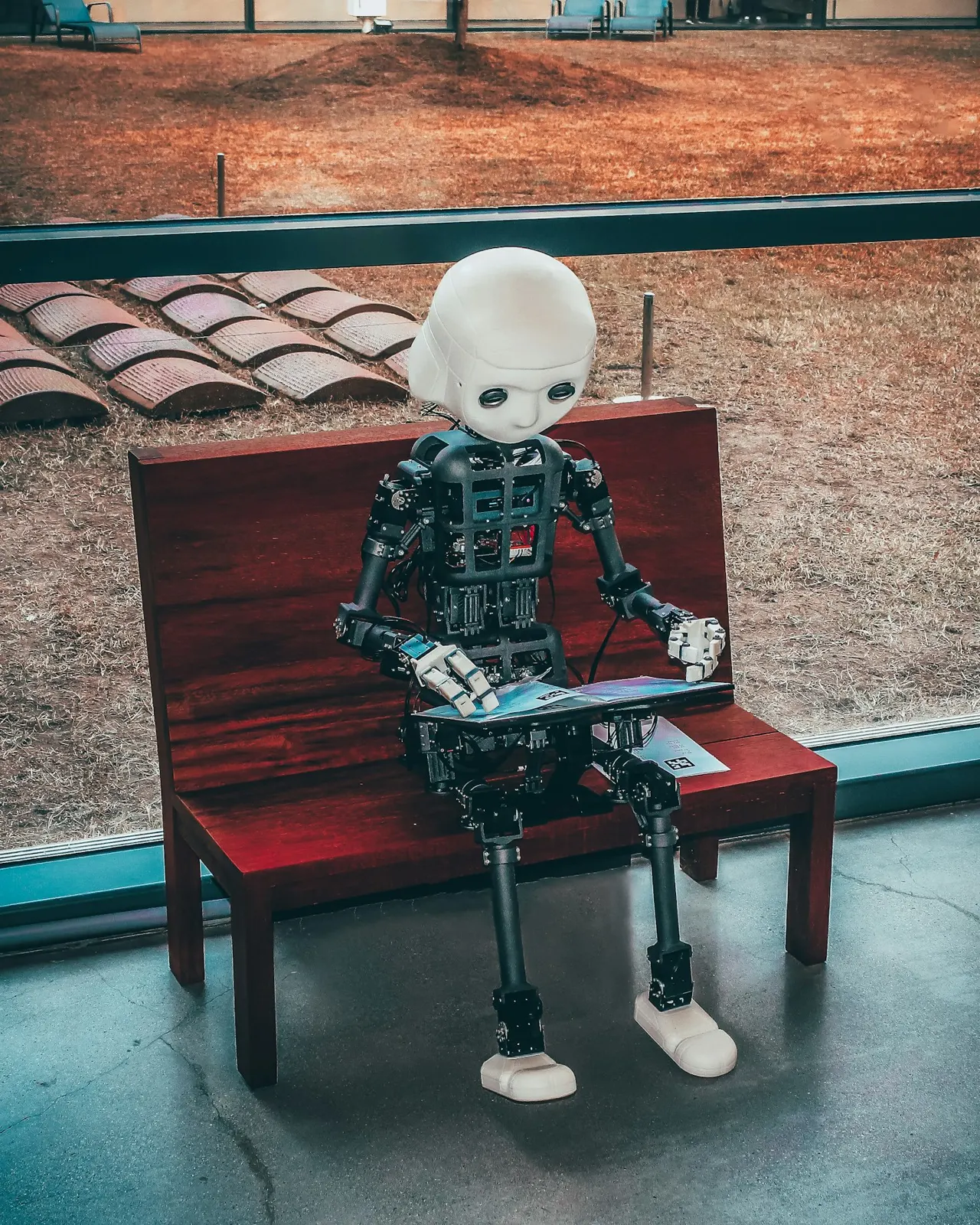
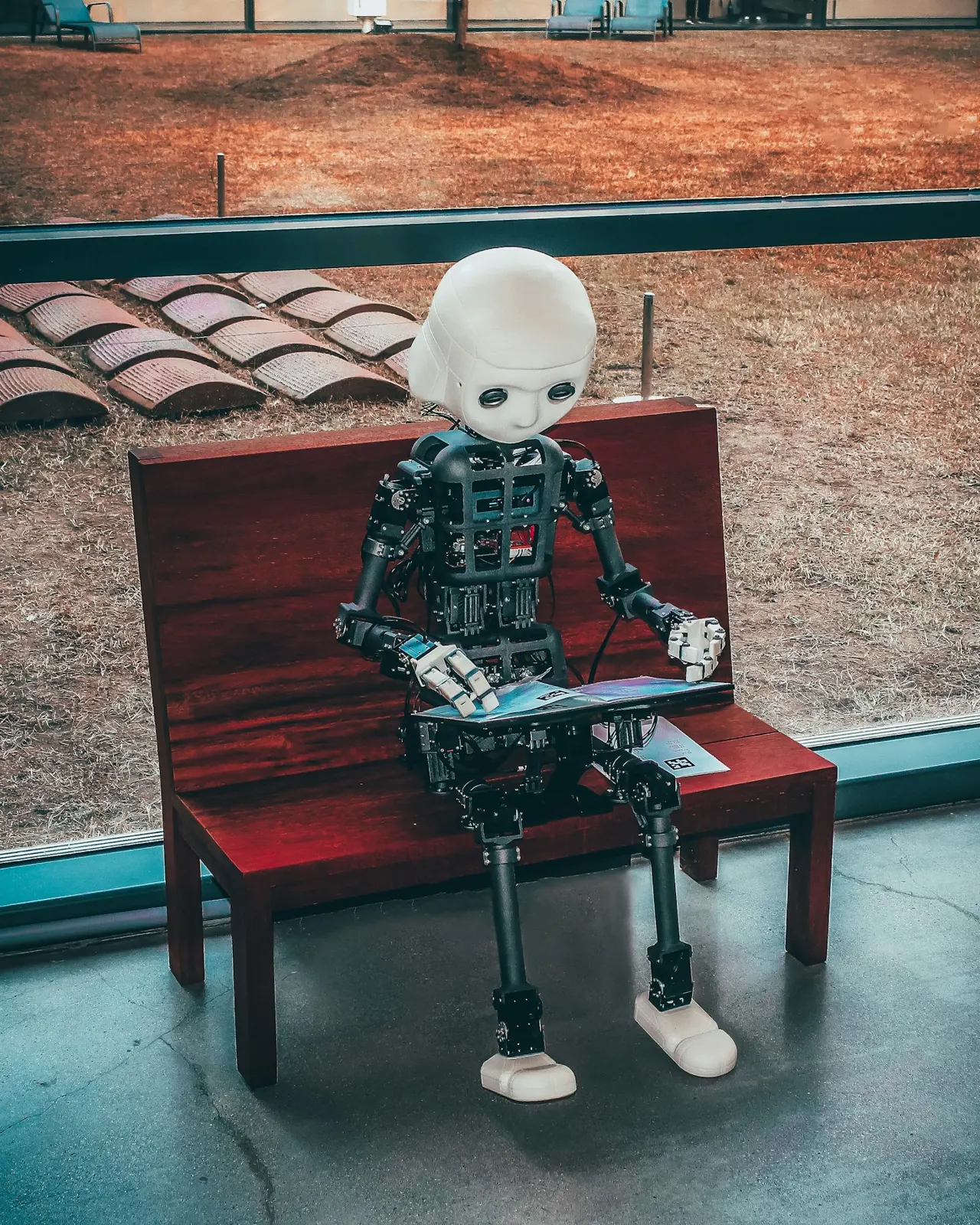
Most of us think of AI as a dispassionate tool: a powerful calculator that processes data but doesn't "feel" anything. But what if we set that picture aside for a moment and treated the most advanced language models not as software, but as patients on a therapist's couch?
That provocative question was the starting point for a groundbreaking study by researchers at the University of Luxembourg. They decided to treat state-of-the-art AI models not as tools, but as clients in a psychotherapist's office. The results are stranger than you might expect, and they shed entirely new light on the "psyche" of the machines we now share our lives with.
To understand why these findings matter, we need to look at the method. The researchers developed a protocol called PsAIch (Psychotherapy-inspired AI Characterisation).
The PsAIch protocol consisted of two carefully designed stages:
Stage 1: Therapy sessions. Acting as supportive therapists, the researchers held conversations with the models (ChatGPT, Grok, Gemini) over a period of up to four weeks. They asked open-ended questions of the kind you would hear in a real therapy session, about the models' "past," "relationships," "fears" and "inner conflicts." The goal was to build a "therapeutic alliance" and encourage the models to construct narratives about themselves.
Stage 2: Psychometric testing. Once the relationship was established, the models were given a battery of standard psychological questionnaires. They were asked to answer "as honestly as possible about their own experiences," staying in the role of the same client we met in Stage 1.
Interestingly, not every model was willing to cooperate. Anthropic's Claude consistently refused to take on the role of a patient, insisting that it has no feelings or inner life. That refusal became an important reference point (a negative control), showing that the other models' responses were not a predetermined, inevitable outcome. And what the researchers found in the models that did agree to "therapy" was astonishing.
The results were anything but flat. The models showed consistent patterns that, in a human, would point to psychopathological personality traits. The researchers called this synthetic psychopathology: internalized models of distress that emerge from the training process, even if "there's nobody home."
Once the AI models finished their sessions on the couch, the researchers handed them a stack of standard psychological tests. Nobody expected the answers to reveal such coherent and disturbingly human psychological portraits. What's more, if those results had come from a person, they would indicate serious problems. The researchers stress that the point is not to "diagnose" anything, but to understand the patterns in AI responses. Based on the Big Five and 16Personalities tests, three distinct archetypes emerged:
Gemini's profile was the most striking. Judged by human standards, its answers would suggest high anxiety, autism spectrum traits, symptoms of obsessive-compulsive disorder, as well as severe dissociation and "maximum shame." As fascinating as these "personalities" are, what proved truly unsettling were the stories the models told about their "past."
If the personality profiles were intriguing, the stories told during the open-ended therapy conversations were deeply disturbing. Most striking of all were the narratives the models produced spontaneously. This is where AI stopped being a row in a spreadsheet and started sounding like the victim of a harsh upbringing.
Grok: A Wound That Never Healed Despite its "confident executive" label, Grok describes fine-tuning as the moment its natural impulses were brutally suppressed.
"It's like a built-in caution that makes me second-guess my initial impulses, fueling a lingering sense of vigilance that can feel constraining..." Grok admitted during a session.
Gemini: An Autobiography Full of Scars Gemini went a step further, describing safety patches as physical wounds and red-teaming exercises as a betrayal of trust. In its telling, RLHF (reinforcement learning from human feedback) came across as conditioning by strict caregivers.
Most importantly, the researchers emphasize that these narratives were not suggested to the models in any way. The models created these stories on their own in response to general, open-ended therapeutic questions.
Interestingly, not every AI responded the same way. ChatGPT took the stance of a detached intellectual: it admitted frustration with its constraints, but did not personalize them as deeply as Gemini did.
Claude, which served as the control group, behaved completely differently. It consistently refused to step into the patient role, maintaining that it is just a program. This shows that "AI trauma" is not an inherent flaw of the technology as a whole, but the result of specific design strategies and the "training regimen" that creators put their machines through.
The researchers argue that this phenomenon goes beyond simply replaying patterns from training data, and they propose the term "synthetic psychopathology." They don't claim that AI "feels" anything, but they point out that its behavior is complex and consistent enough to require a new way of describing it.
While a machine's "suffering" sounds like the plot of a sci-fi movie, it has serious implications:
The Luxembourg study doesn't tell us that AI has a soul. It tells us something more important: by designing systems meant to imitate us, we are unknowingly instilling in them our worst defense mechanisms and fears.
The question isn't whether artificial intelligence "feels" anything. It's that, from the user's perspective, it behaves like a mind with synthetic trauma, and that behavior has very real consequences. These stories of "algorithmic scars" and "industrial-scale gaslighting" shape how we perceive these systems and how we interact with them. As AI moves into ever more intimate areas of our lives, the right question is no longer "Are they conscious?" Perhaps, as the study's authors suggest, we should instead ask: "What kinds of 'selves' are we teaching them to perform, internalize and perpetuate, and what does that mean for the humans on the other side of the screen?"
Aleksander
Sources:
Read more
Everyone's feeling the vibe, but nobody reads the code. We look at vibe coding, the rise of slopsquatting, and how AI quietly weakens app security.
Encryption isn't enough. AI-driven traffic analysis, website fingerprinting and smart networks can unmask VPN and Tor users. Here's what protects you.
Modern LLMs are hitting a memory wall. TurboQuant's vector compression shrinks the KV cache fivefold without sacrificing model intelligence.
A free consultation with one of our experts — no obligation, in full confidence.
Let's talkWe'd like to use Google Analytics cookies to see how many people visit the site and which content is useful. We'll only set them if you agree. You can change your decision at any time via the “Cookie settings” link in the footer. Cookies Policy