Logistics Giant Paralyzed: Ransomware Attack Halts Deliveries Across Europe
Ransomware hits Trans-Europe Express, one of Europe's largest logistics operators, halting operations network-wide and threatening supply chains.
Incidents
A cyberattack on Collins Aerospace's check-in software crippled Heathrow, Berlin and Brussels airports, forcing airlines back to manual check-in.
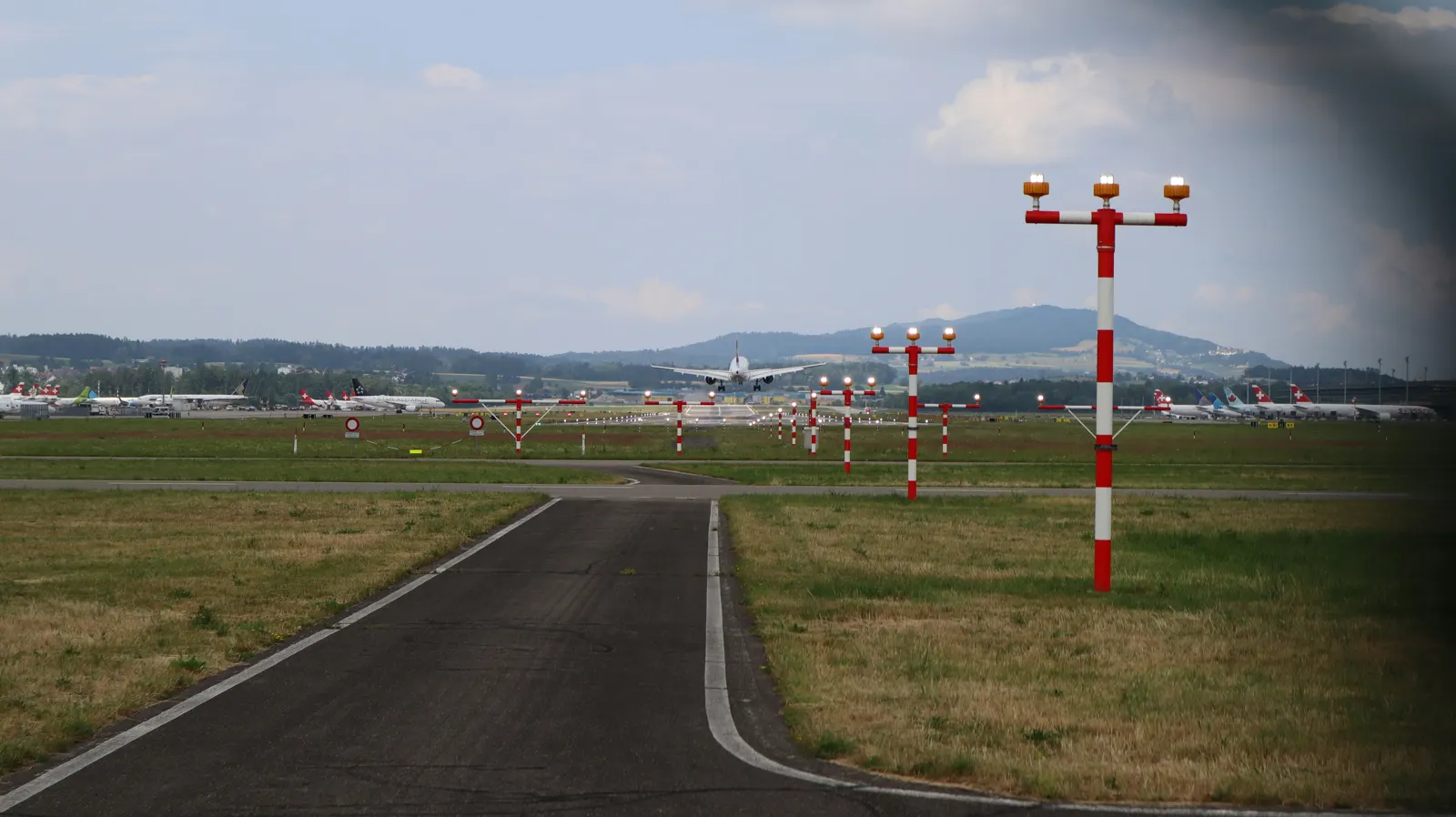
Thousands of travelers across Europe won't forget last weekend anytime soon, and not because of a great vacation. A major cyberattack threw key airports into chaos, including London Heathrow, Berlin and Brussels. From Friday evening on, the scene at these airports was the same: check-in failures, enormous lines and widespread delays.
The attackers did not go after the airports' own IT systems. Instead, they hit Collins Aerospace, a subsidiary of defense giant RTX that supplies the "Muse" software used for passenger and baggage check-in. Once that single system went down, airlines had to turn back the clock and process passengers... by hand. It's easy to imagine what that did to capacity at some of the busiest airports on the continent. Who would have thought that one piece of software could ground half of Europe?
The fallout from the attack was severe:
Brussels Airport went as far as asking airlines to cancel some of their Monday flights, fearing the vendor would not be able to restore its systems in time. The incident is a loud wake-up call for the entire aviation industry and the critical infrastructure sector as a whole. It shows how dependent the modern world is on third-party vendors, and how fragile these digital supply chains can be. Fortunately, Polish airports were not targeted this time, but the situation is an important warning sign for everyone.
This is yet another attack on critical infrastructure. Earlier, an arson attack in Berlin caused a blackout that affected 50,000 customers. The incident also fits a broader trend of supply chain attacks, such as the unprecedented attack on the NPM registry, which put billions of JavaScript package downloads at risk. The NIS2 Directive requires organizations to secure their supply chains precisely to prevent incidents like this one.
Sources: The Guardian, SOCRadar, transinfo.pl, ITwiz
Read more
Ransomware hits Trans-Europe Express, one of Europe's largest logistics operators, halting operations network-wide and threatening supply chains.
Inside the Secret Service takedown of a 100,000-SIM farm near the UN in New York: how SIM boxes work, possible attack scenarios, and who may be behind it.
The Dom Development cyberattack exposed PESEL numbers, salaries and children's data. What leaked, what it means, and how to protect yourself now.
A free consultation with one of our experts — no obligation, in full confidence.
Let's talkWe'd like to use Google Analytics cookies to see how many people visit the site and which content is useful. We'll only set them if you agree. You can change your decision at any time via the “Cookie settings” link in the footer. Cookies Policy