European Airport Chaos: How a Cyberattack on Collins Aerospace Grounded Passengers
A cyberattack on Collins Aerospace's check-in software crippled Heathrow, Berlin and Brussels airports, forcing airlines back to manual check-in.
Incidents
Inside the Secret Service takedown of a 100,000-SIM farm near the UN in New York: how SIM boxes work, possible attack scenarios, and who may be behind it.
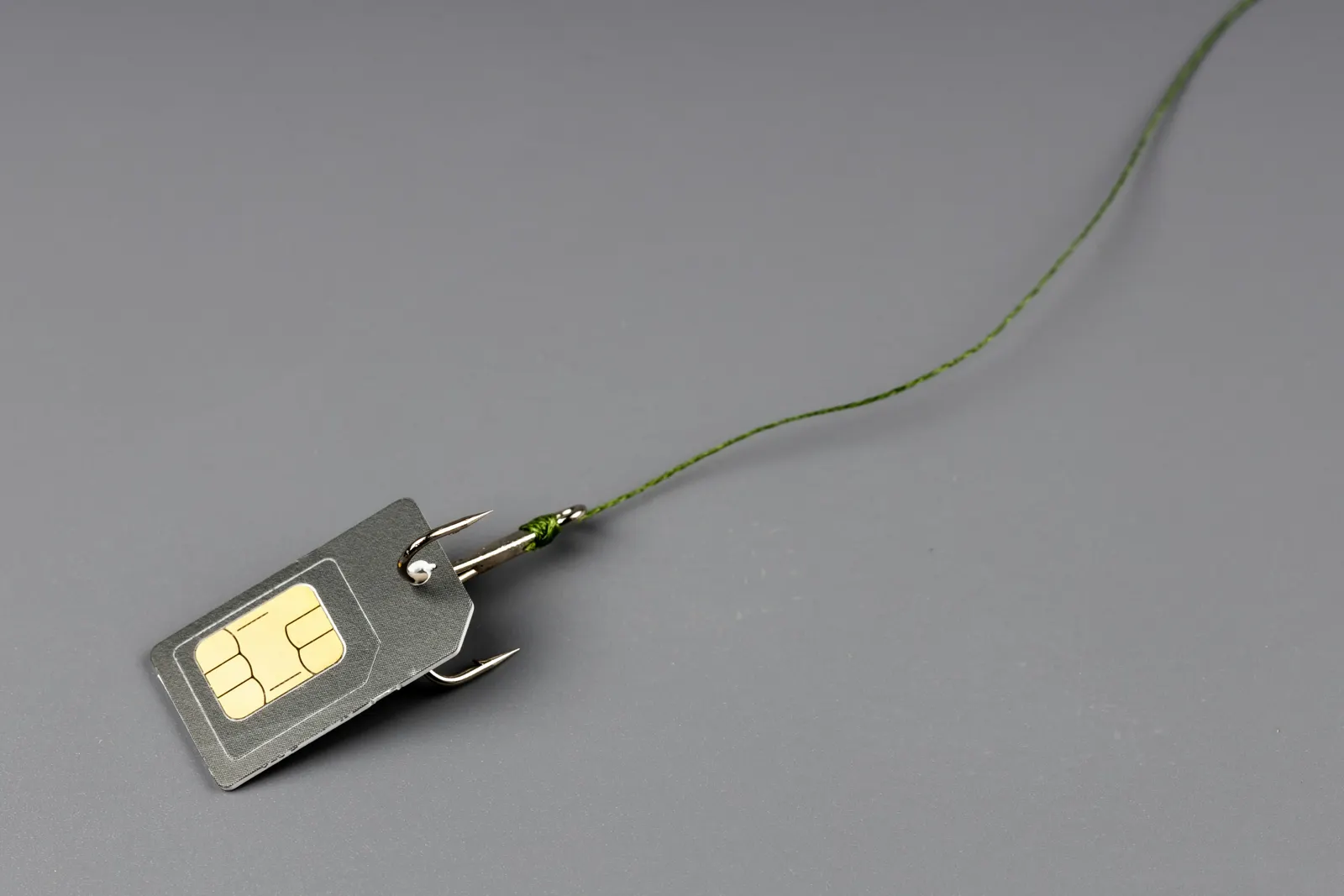
In New York, as preparations for the UN General Assembly were underway, a digital time bomb was ticking. It had no detonator and no explosives, but it could have caused just as much chaos. It was a massive, illegal telecommunications network, and Secret Service agents shut it down at the last minute. What they uncovered was more than a back office for ordinary scammers. It offers a glimpse into a new era of hybrid threats, where a digital shutdown can turn into a physical disaster in an instant. Below, we look at how this digital weapon was built to show how close one of the world's most important cities came to catastrophe.
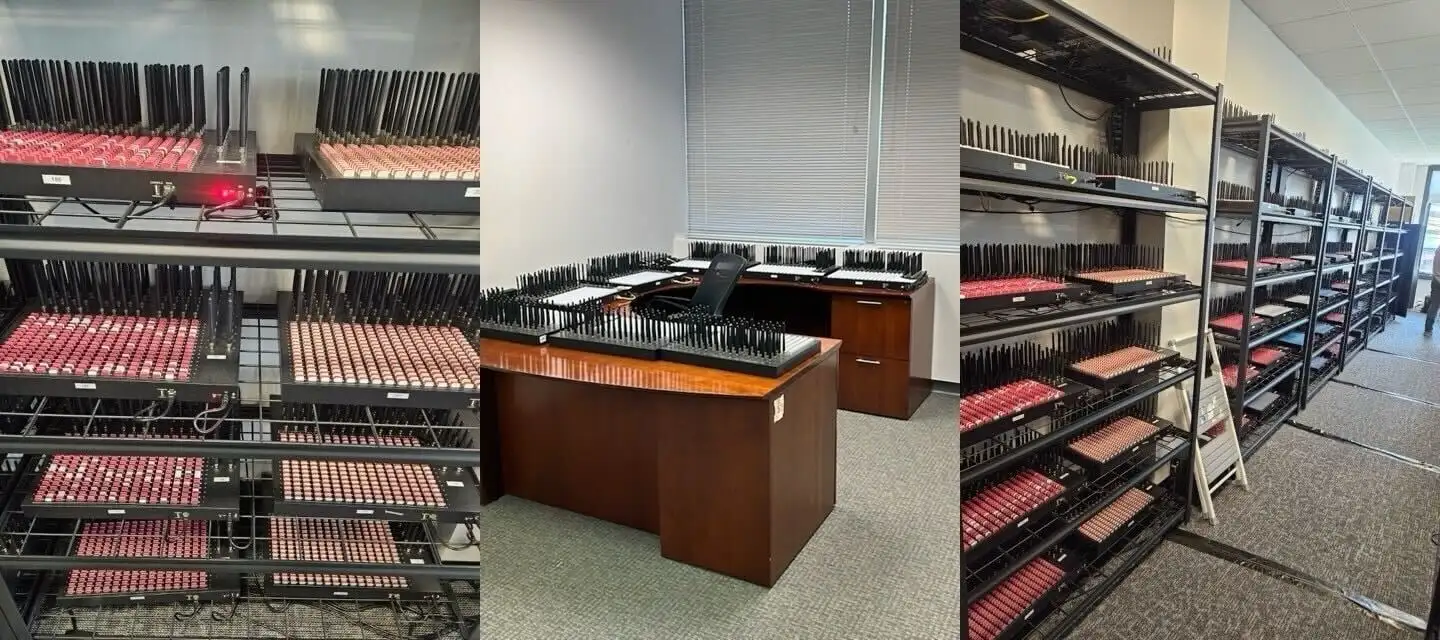
During the investigation, agents found more than 100,000 SIM cards connected to more than 300 servers. The equipment was spread across at least five sites within 50 km (about 30 miles) of UN headquarters. The scale of the operation was staggering. The network could have carried the communications of a small city, but it was built for one purpose: anonymity at massive scale. Secret Service Special Agent Matt McCool stressed that the network was capable of completely shutting down cell towers, which would have been a true digital armageddon.
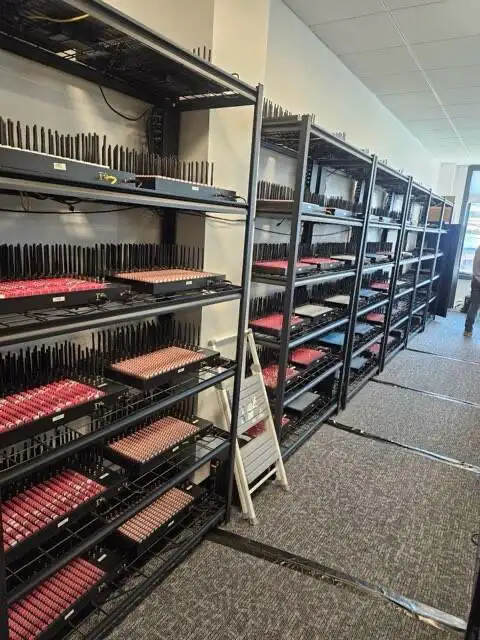
How can a handful of servers and plastic cards threaten a major city? The answer is a technology known as a SIM box or SIM server.
The network could send 30 million anonymous text messages per minute. At that rate, a fake message could reach every resident of the US East Coast in under a minute or two.
The Secret Service shut the operation down before disaster struck. Still, it is worth looking at how this infrastructure could have been used, especially during the UN General Assembly:
The investigation is still ongoing. Possible motives and perpetrators fall into a few categories:
The discovery of this operation is a wake-up call. Threats to national security are no longer confined to nuclear weapons labs. They can also be found in unremarkable apartments packed with electronics. Someone wanted a digital "red button" for New York. Fortunately, this time they failed.
Sources:
Read also: Record-Breaking DDoS Attack Leveraging MikroTik Devices and Cyberattacks on Poland's Energy Sector.
Read more
A cyberattack on Collins Aerospace's check-in software crippled Heathrow, Berlin and Brussels airports, forcing airlines back to manual check-in.
The Dom Development cyberattack exposed PESEL numbers, salaries and children's data. What leaked, what it means, and how to protect yourself now.
On December 5, Cloudflare stumbled again, taking Zoom and Fortnite down with it. Plus: DownDetectorDownDetector is real, not a meme.
A free consultation with one of our experts — no obligation, in full confidence.
Let's talkWe'd like to use Google Analytics cookies to see how many people visit the site and which content is useful. We'll only set them if you agree. You can change your decision at any time via the “Cookie settings” link in the footer. Cookies Policy