Over 4,000 Cyberattacks Hit Poland's Energy Sector in 2024: What It Means for Critical Infrastructure
Poland's energy sector faced 4,000+ cyber incidents in 2024, 4.5% of all attacks nationwide. Experts warn 2025 will be tougher amid hybrid threats.
Poland
Poland launches Operation Horizon: 10,000 troops will guard critical infrastructure, and a new MoD app will let citizens report suspicious activity.
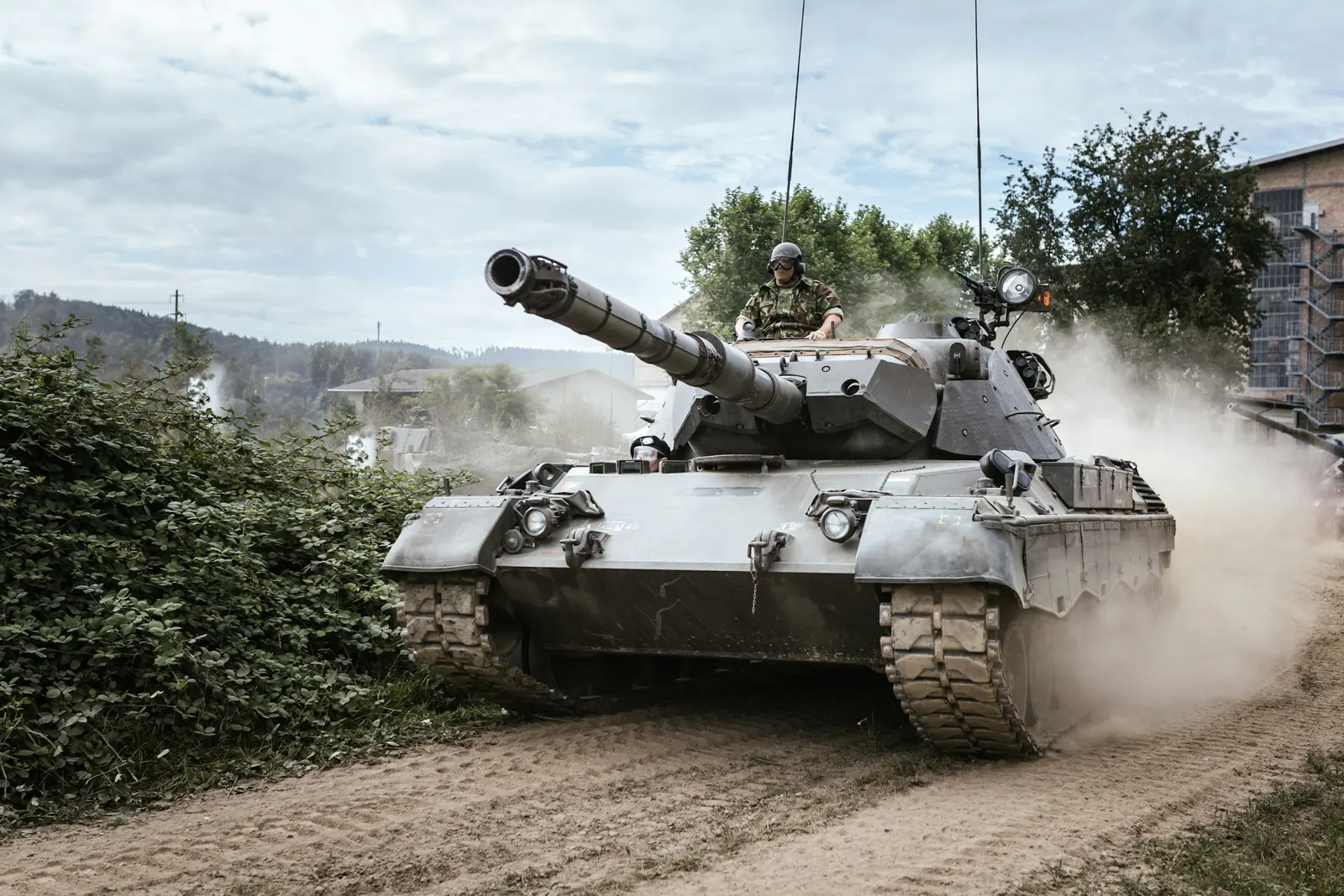
This is no longer media speculation. It is official government strategy. Government websites have published details of Operation Horizon, Poland's response to the growing threat of sabotage. The Ministry of National Defense (MON) confirms that up to 10,000 soldiers from every branch of the Armed Forces will take part.
The operation follows on from and expands earlier missions such as "Safe Podlasie" (Bezpieczne Podlasie), "Eastern Aurora" and "Eastern Sentry". This time, however, the scale and the goal are much broader: the physical protection of critical infrastructure, including key rail routes.
The decision to launch the operation was made at the highest level. Deputy Prime Minister and Minister of National Defense Władysław Kosiniak-Kamysz, Minister of the Interior and Administration Marcin Kierwiński and Chief of the General Staff of the Polish Armed Forces Gen. Wiesław Kukuła set out a clear objective: the military will support the services that report to the Ministry of the Interior and Administration (MSWiA).
The situation calls for decisive action. According to the government's statement, the priority is to counter acts of sabotage and subversion and to limit the freedom of action of potential perpetrators. The government is allocating the largest security budget in the country's history, and that money is meant to turn into real operational capability on the ground.
Notably, the government's strategy does not rely on uniforms alone. The official messaging uses the term "citizen activation". Authorities are openly encouraging people to pay closer attention to their surroundings and report anything that seems concerning.
Digital security: As with keeping children safe online, proactive vigilance by citizens can stop threats before they gain momentum.
The aim is to give the public tools that make hostile intelligence operations "not worth the effort" and hard to carry out. The planned mobile app fits into this approach: a new tool meant to transform how citizens can work with the security services.
The Ministry of National Defense is developing a dedicated mobile app to serve as a direct link between citizens and the services responsible for security. According to Gen. Wiesław Kukuła, Chief of the General Staff of the Polish Armed Forces, work on the software has been underway "for a good few weeks now", and the project is already at an advanced stage.
The new app is designed to be as easy to use as possible. It aims to solve the main problem citizens face today when they try to report suspicious activity: difficulty pinpointing the exact location of an incident.
Key features include:
As Minister Kosiniak-Kamysz stressed at a press conference:
"It will be useful in any situation. We will be able to use the work of our cyber forces to report and show things quickly and effectively. This is also about building a strong society that sees a threat and reports it. A society that is cautious but not afraid. Because fear is our adversaries' main goal."
According to the announced timeline:
The beta tests are meant to check how the system works in practice and to refine the interface before the full rollout.
Importantly, the authorities say reports submitted through the app will be taken completely seriously. If genuinely suspicious activity is detected, the services are expected to respond immediately.
This matters especially with Christmas approaching, when thousands of Poles will travel by train and bus. As Minister Kosiniak-Kamysz noted, early nightfall at this time of year can provide "natural cover for sabotage groups" working for foreign intelligence services.
This mobilization responds to specific incidents. In recent months, the services foiled attempts to derail trains using steel clamps and planted explosives. The perpetrators, working for foreign intelligence services, were trying to cause disasters on the country's land transport network.
These unprecedented incidents forced the services to step up their efforts. Agencies under the Ministry of the Interior and Administration now work more closely with the Polish Armed Forces, particularly the Territorial Defense Forces (WOT).
Infrastructure context: The recent Cloudflare outages (November, December) show how fragile critical infrastructure is, both digital and physical.
Operation Horizon combines two worlds: hard military power (10,000 soldiers patrolling critical infrastructure) and the "soft" power of civil society, equipped with smartphones and a dedicated app for reporting threats.
This new approach assumes that every citizen can become the eyes and ears of the security services. The motive is shared responsibility for public safety, not paranoia. The app is meant to make this involvement both possible and very simple: a few taps on a phone can trigger a response from the services and potentially prevent an act of sabotage.
At the press conference, Minister Kierwiński emphasized the importance of cooperation:
"This is another operation that will show police officers, border guards, firefighters and soldiers working shoulder to shoulder. Without this joint operation, we would not have achieved more than 98% effectiveness in preventing illegal border crossings. Infrastructure matters, but none of this would have been possible without people working together."
Next year the government will have record funding: PLN 200 billion for security. That money will go toward equipment and training, and also toward innovative technology that combines the military's capabilities with public engagement.
Will this hybrid defense model pass the test? We will get the first answers in December, when the app reaches its first users. One thing is clear: as hybrid threats grow, Poland is trying to respond with a hybrid defense.
Author: Aleksander
Sources:
Read more
Poland's energy sector faced 4,000+ cyber incidents in 2024, 4.5% of all attacks nationwide. Experts warn 2025 will be tougher amid hybrid threats.
Poland now tops global cyberattack rankings, with 300+ Russian incidents a day hitting hospitals and water utilities. Warsaw answers with a €1B budget.
Foreigners caught filming Warsaw's Gruba Kaśka water intake: a textbook case of reconnaissance that can precede a cyberattack on critical infrastructure.
A free consultation with one of our experts — no obligation, in full confidence.
Let's talkWe'd like to use Google Analytics cookies to see how many people visit the site and which content is useful. We'll only set them if you agree. You can change your decision at any time via the “Cookie settings” link in the footer. Cookies Policy